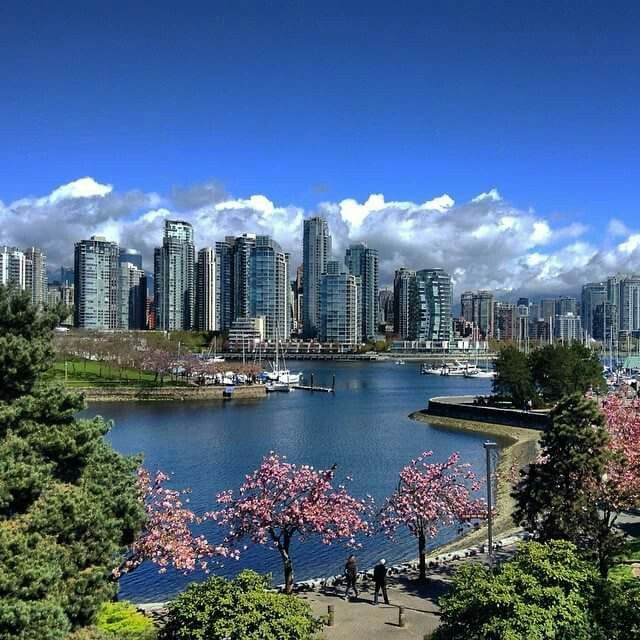
Framed by the snow-capped peaks of the Coast Mountains and the turquoise waters of the Pacific Ocean, Vancouver is a coastal city located on the edge of the Canadian west coast. This British Columbian city is a part of the region that offers the best of the Pacific Northwest for international tourists. From stand-up paddling on inlets to Asian food markets and wilderness adventures in the heart of the ancient forest, this Canadian city has it all. However, despite the beautiful scenery and cosmopolitan lifestyle, Vancouver is a place of ethnic diversity and environmental sustainability. Being Canada’s western gateway, Vancouver is the perfect place to start exploring the region and its attractions, including Whistler ski resort, Vancouver Island, and the Canadian Rockies.
Vancouver’s location in the Pacific Northwest provides a regional crossroads for international tourists. Surrounded by water, this British Columbian city is located on the narrow strip of land between Burrard Inlet and Fraser River on the Burrard Peninsula. The city is also located forty-five km to the south of the US border. As the center of the Metro Vancouver region, this Canadian city offers the best of both worlds. Vancouver is the perfect place for international visitors who want to enjoy wilderness and urban exploration. Nature lovers will be delighted with the number of opportunities to see coastal wildlife, while foodies will fall in love with the variety of fresh seafood and Asian specialties. Nonetheless, adrenaline seekers should explore local alpine parks and wilderness areas in the nearby mountains and islands.
The most iconic place in Vancouver is the urban wilderness of Stanley Park. This coastal rainforest of 405 hectares is surrounded by water on three sides and offers one of the most popular attractions in British Columbia, the Vancouver Seawall. A ten km walk or a bike path around Stanley Park provides spectacular views of the Burrard Inlet, English Bay, and North Shore Mountains. Inside the park, there is a nice shady trail of twenty-seven km, which leads through ancient Douglas fir trees to such places as Brockton Point, Beaver Lake, Second Beach, and many others. To experience the beauty and biodiversity of this special place, it is recommended to spend at least half a day exploring Stanley Park on a bicycle or footpath.
Meanwhile, False Creek and Granville Street Bridge are popular among locals, who want to enjoy the urban lifestyle of Vancouver. As the former industrial center of British Columbia, Granville Island is a place where trendy shops and entertainment meet local flavors. The island’s highlight is the Granville Island Public Market, which is one of the best places to taste local specialties and fresh produce. In particular, local markets offer a wide variety of regional products from fresh fruits and vegetables to local specialties like salmon, cheese, and confectionery. What is more, the local village has a variety of interesting places, including craft shops and local breweries. Across the bay lies Gastown, the city’s historic district, which is known for its unique mix of entertainment and dining. It is recommended to explore Gastown on foot, following the cobbled streets of Water Street to the Steam Clock.
Vancouver’s coastal charm extends to False Creek and Kitsilano Beach, where the twenty-eight km circuit offers one of the longest waterfront promenades in the world. In particular, the scenic beauty of the Vancouver Seawall circuit is found along Coal Harbour, Stanley Park, English Bay, False Creek, and Kitsilano Beach. This local attraction is a must-see for all visitors, as it offers spectacular views of the float-plane landings, sandy beaches, and harbor art. Facing the Burrard Inlet are the North Shore Mountains, which provide another popular destination for wilderness adventures. In particular, Grouse Mountain, Mount Seymour, and Cypress Mountain in the North Shore Range are famous for their alpine parks and hiking trails.
The Capilano Suspension Bridge Park and Lynn Canyon Park are some of the natural landmarks that invite nature lovers to explore Vancouver’s wilderness. In particular, the Capilano River is located about an hour and a half from downtown Vancouver, while Lynn Canyon Provincial Park is only thirty minutes from the city center. Both valleys are popular with hikers and nature lovers, offering spectacular examples of ancient forests and unique skybridge complexes.
Local flavors in Vancouver are as diverse as the natural landscape. In particular, given the city’s location in the Pacific Northwest and ethnic culinary traditions, Vancouver’s local restaurants offer a variety of fresh regional specialties. In particular, local dishes include seafood delights made of wild salmon, Dungeness crab, and spot prawns. At the same time, the city’s dining scene offers one of the most diverse choices of Asian specialties in the world. From Cantonese dim sum and Japanese sushi to Taiwanese noodles and Indian curries, Vancouver has everything for local food lovers. In particular, all the mentioned specialties can be found in the city’s local markets and on the menus of Vancouver’s restaurants.
As for the best places to stay in Vancouver, it depends on the preferences and means of international visitors. In particular, Downtown and Coal Harbour are great places to stay for those who want to enjoy the luxury of the city views. The West End is another good area, which is characterized by leafy streets facing Stanley Park and English Bay. This district is a good alternative to Downtown, offering a more relaxed atmosphere. The Yaletown quarter is the heart of Vancouver’s nightlife. As for the local hotels, Mount Pleasant and Kitsilano districts host a variety of craft breweries and boutique hotels, although they are located outside the city center.
Vancouver has a temperate coastal climate, which is typically warm and dry during summer and rainy but mild during winter. The warmest season in Vancouver lasts until the end of August, with average temperatures ranging from $20^\circ\text{C}$ to $26^\circ\text{C}$ degrees Celsius. It is the best time to visit Vancouver and enjoy the outdoors. In particular, summer is the peak season in this Canadian city, which means that accommodation should be booked in advance. As for the region’s natural beauty, the changing colors of the forests are a striking view for nature lovers who want to witness the local fall foliage. In Vancouver, the last burst of color is seen in October, which is followed by the rainiest period of the year in November. Winter in Vancouver is the season of white snowmen surrounding the peaks of the mountains. The average temperatures in winter range from $3^\circ\text{C}$ to $8^\circ\text{C}$ degrees Celsius. At the same time, the city itself is moderately warm throughout the winter season. Finally, spring is the perfect time to enjoy Vancouver’s blossoming flora. In particular, this Canadian city has a number of attractions in which cherry blossom trees are displayed. In addition, this season offers great value for money, as air tickets and hotel stays are often discounted.
The best way to get to Vancouver is to fly to Vancouver International Airport (YVR). Located twelve km to the south of the city center in the neighboring lower mainland city of Richmond, Vancouver Airport is British Columbia’s busiest transportation hub. With excellent transport connections to and from North America, Europe, Asia, and Oceania, Vancouver’s airport offers a wide range of transportation options. In particular, the local public transport system TransLink provides great value for money and convenience for getting around the city. In particular, local transport includes automated SkyTrain rapid transit, an extensive bus network, and a scenic ferry to the North Shore Mountains. In particular, the Canada Line SkyTrain connects the airport with the city’s downtown in less than half an hour, making a rental car unnecessary.
As for the most popular sights in Vancouver, it is recommended to spend at least three to four days in this Canadian city. In particular, three days will be enough to explore Vancouver at a comfortable pace and taste local specialties. Four days will allow visitors to Vancouver to fully enjoy the local attractions of this British Columbian city. As a cosmopolitan metropolis, Vancouver has a lot of opportunities for entertainment, from exploring ethnic markets to wilderness adventures in the heart of nature. However, a visit to Vancouver on a tight budget is not recommended due to the high cost of living in this Canadian city. In particular, to cut costs on food, it is recommended to visit local pubs and inexpensive ethnic restaurants. At the same time, a large number of local sidewalks and bike paths offer opportunities for exploration of Vancouver’s wilderness without spending money on organized tours. In addition, to get to more remote places, it is recommended to rent a car, as local roads in Vancouver are safe and convenient, which makes a car a worthy investment in comfort and time.
As for the best places to stay in Vancouver, a medium-range hotel in one of the recommended places is a great choice for an affordable stay in this Canadian city. Nevertheless, the choice of where to stay in Vancouver depends on the personal preferences and means of each visitor. In particular, it is recommended to avoid the potential threat of pickpocketing in public transport. At the same time, the weather in Vancouver is unpredictable, which means that it is a good idea to check the forecast before going on an adventure.
