 By risaqq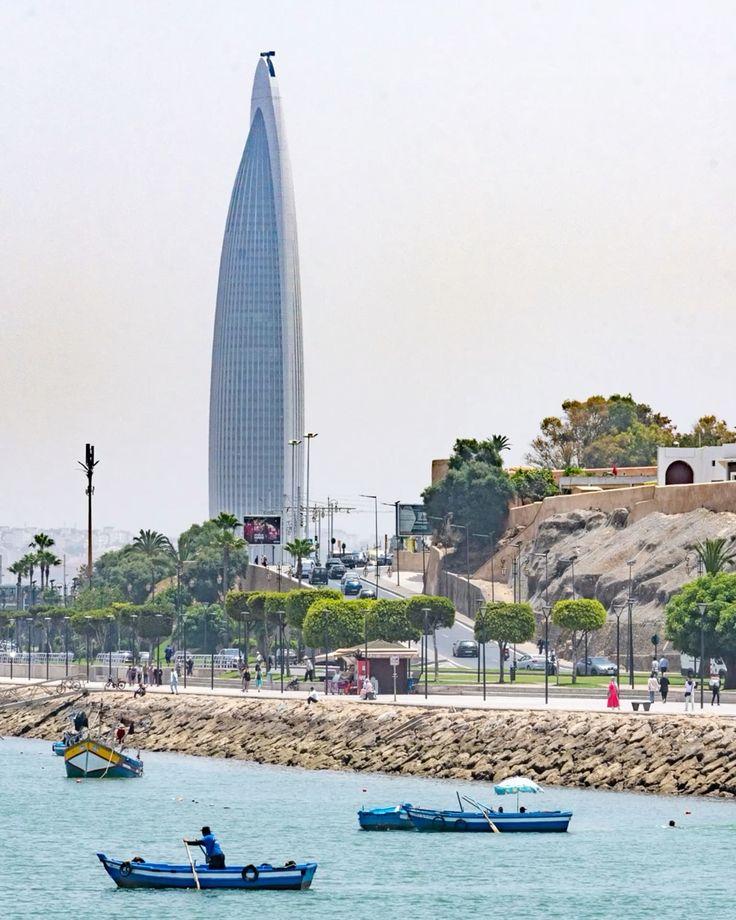
North Africa offers a growing number of travelers the opportunity to experience the region’s unique blend of culture and history without the overwhelming commercialism that often accompanies the region. Northwest Morocco is known for the frenetic energy of Marrakech, the exotic labyrinth of Fez. But less known is the Atlantic coast where the Bou Regreg River meets the sea in the royal city of Rabat. Here a new cultural scene is emerging that offers an enticing mix of palm-treed boulevards, ancient castles and modernist architecture to the discerning traveler seeking something different.
The appeal of modern-day Rabat, Morocco, lies in its ability to embrace both its rich history and progressive future. Nowhere is this duality more evident than in the 12th-century Kasbah of the Udayas, a walled city perched on a cliffside overlooking the Atlantic. Stepping into this ancient castle complex, the traveler is immediately struck by the serenity that pervades the city, in stark contrast to the hustle-bustle of modern-day Morocco. Set in the blue streets of the walled city, family-owned cafes serve mint tea, while wood-carvers hawk their wares at the local markets, and the sweet scent of the Andalusian Gardens wafts through the air. It is a world away from the busy streets of modern-day Morocco.
A stroll along the promenade leads the visitor to the Hassan Tower, a sandstone edifice best seen from the heights of the Kasbah. This 1195 AD monument and its minaret of enormous proportions was to be the largest mosque in the world, but its completion was abandoned following the death of its founder. The great mosque hall that spans over 300 columns now takes on an ethereal presence as it looms over the carved stone mausoleum. Just a short walk from the Hassan Tower, the Royal Corps of the Mausoleum of Mohammed V guards the marble-plated square with a sense of solemnity and pride. Inside the mausoleum, the visitor is treated to a bevy of Moroccan craftsmanship, ranging from the cedar paneling, Italian marble, and zellige work that simply glows in the late afternoon light.
Looking to the future, the 2026 Royal Theatre of Rabat, designed by renowned Zaha Hadid will soon add its own chapter to the city’s rich cultural story. Taking on the appearance of a white concrete river, the structure takes cues from the Bou Regreg and Atlantic shoreline that border the capital city. Coupled with other cultural institutions such as the Mohammed VI Museum of Modern and Contemporary Art, the Royal Theatre of Rabat will serve to put the city on the map as a major center for young Moroccan artists who are bringing North African culture to the forefront of the global stage.
Speaking of food, the culinary delights of this coastal city offer a mix of traditional palace fare and fresh Atlantic seafood. While tagines of slow-cooked stew are a staple of Moroccan cuisine found throughout the country, the capital city offers a wider variety of seafood dishes that take advantage of the region’s proximity to the ocean. Evening dining along the marina offers the chance to sample salt-crust baked sea bass, grilled sardines with fresh chermoula, and sweet-savory seafood pastilla with a side of cinnamon-sugar. Back in the walled medina, traditional wood-fired ovens turn out sweet pastries of honey and almonds known as cornes de gazelle that simply perfume the street with their scent.
Beyond the heart of the capital city, a scenic drive along the coastal highway opens up to the windswept beaches of Essaouira, a popular stop for those seeking adventure on the region’s premier kiteboarding spots. Alternatively, a drive north takes the visitor through a windswept landscape of salt marshes, Roman ruins at Lixus, and coastal trails that offer spectacular views of the Atlantic. A hike up to the excavated Roman theater offers panoramic views of this westernmost region of North Africa while the ocean sparkles in the distance.
Just outside the walled city of medieval Rabat is the ancient walled complex of Chellah, a 15th-century Moorish fortress that takes on a most ethereal quality when set in a forest of towering fig and olive trees. Set in a forest of towering fig and olive trees, this unusual walled city complex offers the visitor a chance to explore a combination of both Roman and Moroccan influences. The unique blend of nature and ancient ruins take on a most magical presence as one wanders the tree-lined streets of this charming walled city, taking in the sights of stork-filled minarets that seem to rise from the very landscape itself. It is truly an enchanting blend that offers a respite from the organized touristic nature of many of North Africa’s famed cities and towns. More like an outdoor museum, the evocative beauty of Chellah is truly something special.
As evening falls, the marina of Bou Regreg comes alive with the glow of the city lights reflected in the water. Families take evening strolls along the riverside sidewalks while children play freely in the plazas. As night falls, small boats make their way from the modern capital across the river to its safer historic cousin of Salé. Unlike the more frenetic nightlife of the region’s other Mediterranean ports, evenings in Rabat are all about the locals and their age-old traditions. This is best seen in the evening walks taken by multigenerational families that take advantage of the cooler temperatures along the waterfront promenades of the Atlantic coast.
From the walled city of Udaia to modern cultural institutions and scenic coastal drives, the beauty of Rabat, Morocco, is sure to captivate the discerning traveler seeking a unique royal experience in North Africa.