Modern-day safari travel is becoming more and more reliant on modern possibilities in order to ensure everything runs smoothly, from general travel arrangements to in-country excursions. The traditional method of relying on travel agents, waiting for confirmation on the phone, and using old-fashioned paper maps is being replaced by a fast and efficient electronic approach. From tracking down migrations to booking private wilderness accommodations, a simple smart-phone now offers a convenient solution for every travel whim. Information that was previously hard to come by is at the touch of a button in the form of a helpful application. It has never been easier to access a trusted Maasai guide, local airstrips, conservation areas, or any other travel-related resource
Reference: .http://Magical Kenya Official Portal | Kenya Wildlife Service
The Modern Kenyan Safari Blending Iconic Wilderness with Connectivity
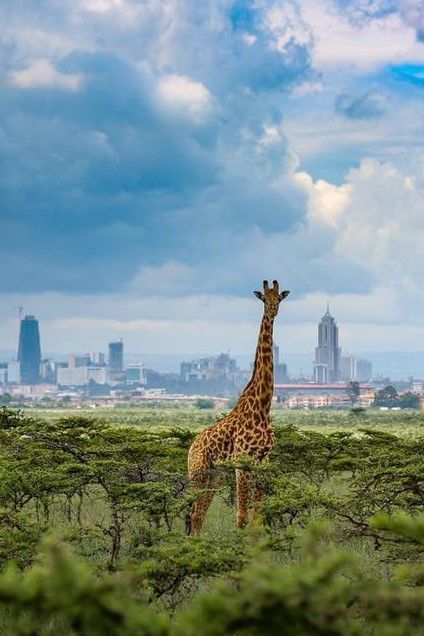
East Africa provides an increasing number of travelers with the opportunity to experience the region’s most iconic wilderness heritage but without the loss of the digital convenience of modern logistics. While equator Africa is rightly famous for the dramatic peaks of Mount Kenya and the coastal heritage of Mombasa but less well known to the technologically connected are the rolling golden savannas leading to a snow-capped horizon. Throughout the iconic national parks of Kenya there has been an exciting safari landscape emerging in recent years offering a compelling mix of endless horizon vistas dramatic wildebeest and zebra migrations and remote luxury camps for the discerning traveler seeking a true wilderness retreat. And it’s the appeal of modern-day Kenya that it has the unique ability to balance vast unspoiled ecosystems and the very latest in travel technology.Maasai guide networks regional airstrip connections and conservation area maps straight from a mobile device
refrence : http://Kenya Tourism Board: Destination Experiences.
Maasai Mara National Reserve Savannas, Great Migration & Ecological Heritage
Nowhere is it more evident than in the Maasai Mara National Reserve, which is globally renowned for its wildlife, where the rolling hills serve as the perfect habitat for the great migration, as the Maasai will tell you. On the golden plains the visitor is overwhelmed by the sheer scope of the raw beauty around him, an exciting contrast from the normal hustle and bustle of everyday life. As the morning sun rises over the acacia dotted hills the local Maasai guides will be recounting tales of their family’s ecological heritage while hunting lions and leopards along the riverbanks
Reference: http://Maasai Mara Ecosystem & Conservation Information.
Amboseli National Park: Mount Kilimanjaro Backdrop & Elephant Herds
Further south along the Tanzanian border lies a drive into Amboseli National Park leading the visitor into one of Africa’s most photographed landscapes. This small but mightier than most park presents an awe inspiring spectacle as great herds of free roaming elephants cross the dusty plains to feast on the iconic view of snow-capped Mount Kilimanjaro. But only a short drive into the acacia groves leads to encounters with Africa’s gentle giants as they trek towards natural swamp springs fed directly from glacier run-off
Reference: http://Amboseli National Park Overview & Visitor Details.
The Great Rift Valley: Rhino Sanctuaries of Lake Nakuru & Hell’s Gate Adventure
Looking west towards the Great Rift Valley, Kenya provides access to a variety of conservancies and bird sanctuaries. In Lake Nakuru National Park protected sanctuaries allow for easy encounters with rare black and white rhinos while nearby Hell’s Gate National Park offers the visitor the unique opportunity to cycle or hike past dramatic red-rock gorges and grazing plains
Reference: http://Lake Nakuru & Hell’s Gate National Parks Guide.
Conservation Pioneer: Ol Pejeta Conservancy and High-Tech Rhino Sanctuaries
Besides the national park system, Kenya has pioneered its own form of nature-friendly tourism in private and community-run reserves. Such as the Ol Pejeta Conservancy on the high Laikipia Plateau. Located on the equator, between the snow-capped foothills of Mount Kenya and the Aberdare Range, this $360\text{ km}^2$ non-profit wildlife sanctuary is home to Kenya’s largest population of eastern black rhinos as well as the world’s last two northern white rhinos. Using modern technology such as GPS tracking, micro-chipped wildlife monitoring, smart fencing and specialised anti-poaching dog patrols, the reserve balances both eco-luxury safari tourism with state-of-the-art species protection. Moreover, revenues from conservation-fees pay for critical community health, education and livestock programs, making it a prime example of a wildlife sanctuary that protects animals while at the same time giving back to the local community
Reference:http://Ol Pejeta Conservancy Official Site | Kenya Wildlife Service Conservancies .