Modern day travel is becoming more reliant on convenience at the touch of a button to guarantee that coastal logistics, historic site tickets and real-time navigation are all seamlessly integrated. The physical journey of old, with its reliance on printed travel guidebooks and carrying paper maps around and waiting for fixed local tour agency confirmations, has been replaced with sleek, connected mobile platforms and real-time digital booking portals. Whether it be in searching for ancient UNESCO fortresses, reserving local seafood tavernas along palm-fringed promenades or checking live ferry schedules to neighbouring Ionian islands – all modern day travellers need is an interactive smartphone setup. Digital technology has made Mediterranean coastal exploration not only simple but immediate, providing instant access to regional transit routes, park maps and heritage site guides straight from a mobile device.
Reference: http://Albanian National Tourism Agency (Albania.al) | Visit Saranda Official Tourism Portal.
The South Coast of the Balkan Peninsula: Sarandë’s Emerging Mediterranean Appeal
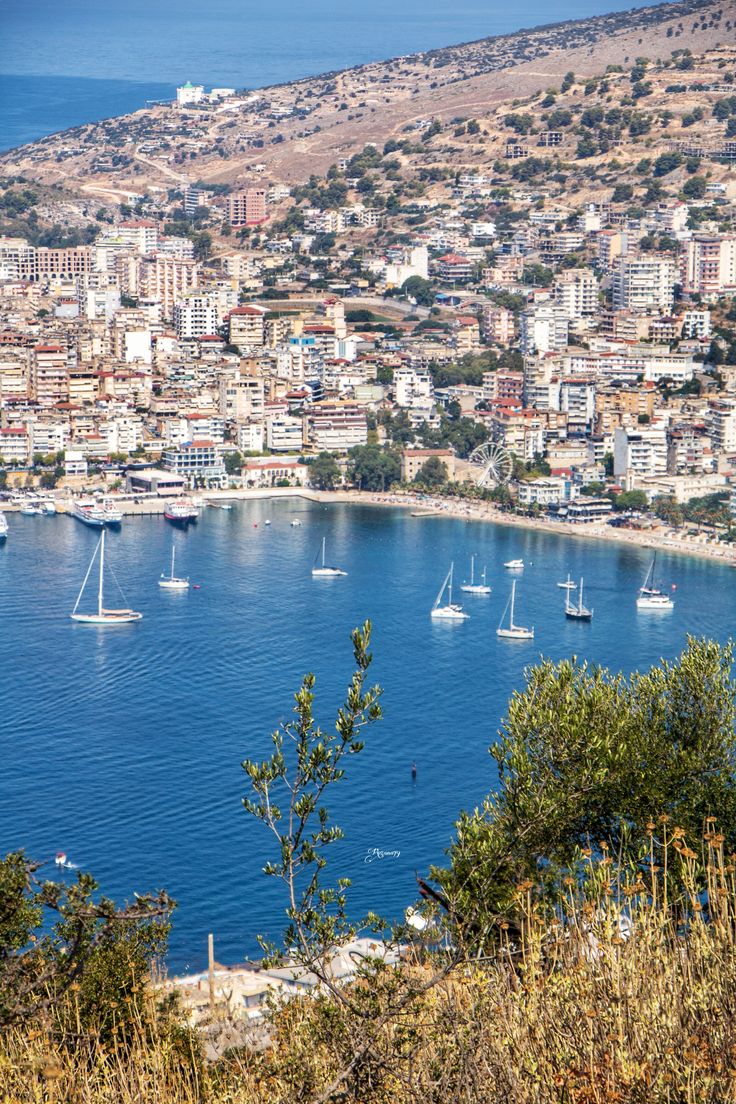
South coast of Balkan peninsula provides a number of opportunities for a discerning traveler who wants to enjoy unique Mediterranean blend of culture and coast without getting overwhelmed with commercial bustle. West Balkans have been traditionally visited by many who were fascinated with the frenetic capital of Tirana or the stone-fortress-pitted streets of Gjirokastër, but equally deserving region has been quietly gaining popularity over the years; crescent shaped bay formed by the turquoise waters of the Ionian Sea and hills of southern Albania. Coastal town of Sarandë boasts a burgeoning scene of palm-treed boulevards and ancient fortresses, and lively restaurant culture for those inquisitive visitor wishing to discover an alternative to the well-trodden Mediterranean. Appeal of modern-day Sarandë is rooted in its ability to combine its ancient coastal roots with a modern and growing future.
Reference:http://Albania Tourism Board: The Albanian Riviera .
Waterfront Promenade and Ancient Synagogue Complex Hasan Tahsini Boulevard
On the coast a walk along the promenade of the Hasan Tahsini Boulevard helps the traveler to gain an insight in to the lives of the locals. The broad palm fringed boulevard is a true 21st century experience but with the calm waters of the bay lit up with lights. However, the view is accented with an eye opening view of the bay. A walk from the boulevard near the city center reveals the excavated 5th century ruins of an ancient synagogue complex which provides the visitor with a chance to see the regions multi-layered cultural heritage that has long preceded the modern era.
Reference:http://Sarandë Archaeological Sites & Urban Guide.
The Natural Wonder of the Blue Eye Spring Inland Eco-Adventures & Natural Springs
Apart from coastal ruins and ancient harbors, Albania’s southern region has a bright natural geological feature called the Blue Eye. The Blue Eye is a natural spring located inland, about 30 km away from Sarandë in a protected natural park. From a cave nearly 50 meters deep, clear blue water flows through an opening in the ground. Taking a walk around the oak and sycamore forests surrounding the underground spring is a good way to see the most notable natural treasure in the area. Thanks to modern infrastructure, it is possible now to see clearly the power of nature while being eco-friendly: wooden bridges and terraces are placed to ensure the safety and comfort of the visitors. A visit to the Blue Eye is a great opportunity for local people to enjoy the view of a popular natural wonder and have an experience out of the ordinary.
Reference:http://National Agency of Protected Areas Albania (AKZM) | Visit Saranda: The Blue Eye Portal.
Panoramic Vistas from Lëkurësi Castle Ottoman Heritage Above the Horseshoe Bay
The best example of this synthesis is the 16th-century Lëkurësi Castle, a stone fortress encircling a bay in the shape of a horseshoe and the nearby Greek island of Corfu, located on a promontory. Taking in the view from the battlements offers an opportunity to grasp the unique sense of the calm of the bay being controlled by the castle. As the sun sinks over the horizon of the Ionian Sea, family-run taverns that line the hillsides are ready to offer their local wines, and fragrant Mediterranean winds sweep over the stones of the castle built by Suleiman the Magnificent.
Reference:http://Culture & Heritage of Southern Albania: Lëkurësi Castle.